
How Reviews Shape Trust in Zero-Click Local Search Results

Local search no longer ends with a click. In fact, many of the most valuable local search interactions happen without one. Users increasingly make decisions directly from search results pages, Google Maps previews, and AI-generated summaries. These are known as zero-click local search results.
In this environment, reviews have become one of the most powerful trust signals available. When users do not click through to a website, reviews often provide the only validation they need to decide whether to call, request directions, or move on to a competitor.
As AI-driven search expands, reviews are not just influencing visibility. They are shaping trust at the exact moment of decision. This article explains how reviews shape trust in zero-click local search results, why they matter more than ever, and how brands can optimize for a world where clicks are optional.
What Zero-Click Local Search Really Means
Zero-click local search occurs when a user completes an action without visiting a business website.
Common zero-click actions include:
- Calling a business directly from search results
- Requesting directions from Google Maps
- Reading reviews and deciding to visit later
- Comparing businesses entirely within the Map Pack
Search platforms increasingly surface all the information users need upfront. Reviews play a central role in this shift.
Why Trust Is the Primary Currency in Zero-Click Results
When users do not click, they have less time and fewer signals to evaluate a business. Trust becomes the deciding factor.
In zero-click environments, users rely on:
- Star ratings and review volume
- Recent customer feedback
- Snippets pulled from reviews
- Business responses to reviews
Reviews condense trust into a format that users can evaluate instantly.
How Reviews Replace Websites in Zero-Click Decisions
In traditional search, websites explained value. In zero-click local search, reviews do that job.
Reviews answer key questions quickly:
- Is this business reliable?
- Do people like the service?
- Are there recurring problems?
- Does this business match my need?
When reviews answer these questions clearly, users do not feel the need to click further.
Why Google Highlights Reviews in Zero-Click Interfaces
Search engines are incentivized to reduce friction. Reviews provide a trusted, user-generated summary of business quality.
Google highlights reviews because they:
- Reflect real customer experience
- Are difficult to fabricate consistently
- Update continuously
- Provide natural language context
AI-powered systems can extract meaning from reviews more effectively than from static business descriptions.
How Review Sentiment Shapes Instant Trust
Star ratings attract attention, but sentiment builds confidence. In zero-click results, users often scan:
- The most recent reviews
- Highlighted phrases
- Emotionally charged feedback
Positive sentiment that is specific and recent increases trust rapidly. Vague or outdated feedback reduces confidence even when ratings are high.
Why Review Recency Matters More in Zero-Click Search
Recency signals whether a business is active right now.
In zero-click scenarios, users often choose businesses with:
- Reviews from the past few weeks
- Ongoing customer engagement
- Signs of recent service activity
A business with strong historical reviews but little recent feedback can appear risky when decisions are made instantly.
How Reviews Influence Zero-Click Google Maps Rankings
Zero-click trust is closely tied to visibility.
Google Maps rankings influence which businesses appear in zero-click contexts, and reviews influence those rankings.
Reviews affect:
- Map Pack inclusion
- Ordering within the Map Pack
- Frequency of appearance across locations
- Stability of visibility
Businesses with strong review profiles are more likely to be shown when users do not scroll or explore further.
Why Reviews Act as a Proxy for Experience Quality
In the absence of deeper research, reviews become a stand-in for experience.
Search engines use reviews to infer:
- Service consistency
- Staff professionalism
- Problem resolution
- Alignment with customer expectations
Users trust this inference because it comes from peers rather than brands.
How AI Uses Reviews to Power Zero-Click Summaries
AI-generated local summaries increasingly pull from review data.
AI systems extract:
- Common praise points
- Frequent complaints
- Service-specific language
- Emotional tone
These summaries influence user perception instantly, often before a business is even consciously considered.
Why Review Responses Matter in Zero-Click Trust
Responses are visible without clicking.
Users notice:
- Whether businesses respond
- How quickly they respond
- Whether responses are professional
- How complaints are handled
Thoughtful responses reinforce trust and show accountability, which matters greatly in zero-click decisions.
Why Zero-Click Search Raises the Stakes for Review Quality
When users click less, every visible signal carries more weight.
Poor review management becomes more damaging because:
- There is no website to counterbalance perception
- Negative themes stand out more
- Trust decisions are made faster
Reviews effectively become the storefront.
How Multi-Location Brands Are Affected by Zero-Click Trust
Multi-location brands face location-level scrutiny.
Each location competes independently in zero-click environments based on:
- Local review sentiment
- Review recency and velocity
- Response quality
Brand reputation alone cannot overcome weak local trust signals.
Using Reviews to Guide Zero-Click Optimization
Brands optimizing for zero-click local search focus on:
- Encouraging detailed, experience-based reviews
- Maintaining steady review velocity
- Monitoring sentiment by location
- Responding consistently and professionally
- Highlighting positive review themes in listings
The goal is to make trust obvious without requiring a click.
Common Mistakes Brands Make in Zero-Click Environments
Many brands still optimize as if users will click.
Common mistakes include:
- Ignoring review recency
- Focusing only on star ratings
- Leaving reviews unanswered
- Treating reviews as passive feedback
- Not monitoring competitor review trends
In zero-click search, inaction is visible.
Why Reviews Are the Strongest Zero-Click Signal
Among all visible signals, reviews offer the richest combination of trust, relevance, and freshness.
They are Human-generated, Continuously updated, Interpretable by AI and Trusted by users. No other signal performs this role as effectively in zero-click local search.
The Future of Zero-Click Local Search Is Trust-Driven
As AI-generated answers and local summaries become more common, clicks will continue to decline.
Future local discovery will rely on:
- Review-driven trust signals
- Entity confidence
- Experience validation
- Behavioral reinforcement
Reviews sit at the center of all four.
Zero-click local search has changed how customers choose businesses. Decisions are made faster, with fewer signals, and often without visiting a website. In this environment, reviews shape trust more than any other factor.
They influence visibility, perception, and action all at once. For brands and multi-location businesses, optimizing reviews is no longer just about rankings. It is about being trusted instantly.
Reviews are not supporting signals. They are the decision interface.
Related Posts

How AI-Powered Search Is Redefining Local SEO Data Requirements
Local SEO used to tolerate imperfect data. Minor inconsistencies in business names, outdated hours, or conflicting categories could still produce acceptable rankings. That tolerance is disappearing fast. AI-powered search has fundamentally changed how local data is evaluated. Instead of relying on isolated signals, modern search systems synthesize data across many sources, compare it against real […]
Read More
Architecting for Sovereignty: Leveraging Local Data Exchange to Minimize Egress Costs and Latency in Hybrid Clouds
The rapid expansion of hybrid cloud environments has introduced a significant economic challenge: data gravity. While the public cloud offers unparalleled elasticity for compute, the financial burden of moving large datasets out of these environments often creates a “cloud jail” effect. For US enterprises, maintaining data sovereignty while controlling costs requires a tactical shift toward […]
Read More
Why Star Ratings Alone No Longer Tell the Full Story
For years, star ratings were treated as the primary indicator of reputation in local search. A higher rating meant more trust, better visibility, and stronger conversion performance. While star ratings still matter, they no longer tell the full story for search engines or customers. Local search has become more sophisticated, more competitive, and more context-driven. […]
Read More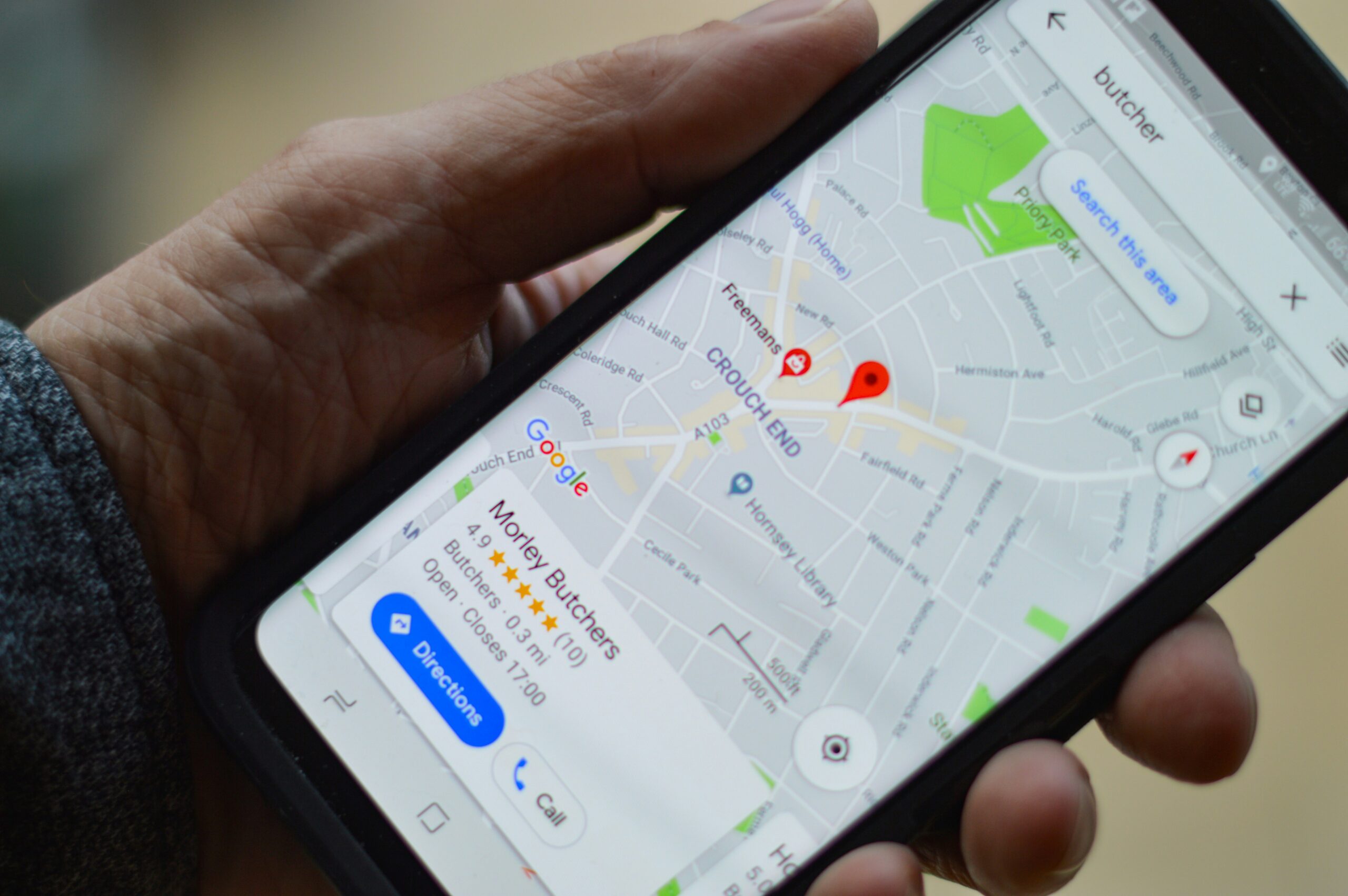
How Brands Use Review Data to Improve Local Conversion Rates
Local SEO visibility is only half the battle. The real outcome brands care about is conversion. Calls, direction requests, bookings, and in-store visits are what turn rankings into revenue. Yet many brands focus on review volume and ratings without fully leveraging the data reviews provide to improve conversion performance. Review data is one of the […]
Read More
Review Sentiment Analysis: Turning Feedback into Growth Signals
Reviews are no longer just a reputation metric. In modern local search, they are a data source that search engines, AI systems, and customers all rely on to evaluate businesses. While star ratings and review counts still matter, the most valuable information now lives inside the text of reviews themselves. This is where review sentiment […]
Read More