
Skip the Accounts: How APIs Let You Bypass Publisher Logins for Local Listings at Scale

To get a business listed across major directories should be easy until you realize how many of them require individual accounts to even begin the process. For SaaS platforms managing multi-location SEO at scale, the friction adds up fast. Publisher by publisher, each with their own interface, login process, ownership requirements, and verification steps.
But there’s a smarter way to do it: APIs. Let’s break down which platforms require business accounts and how programmatic listing via API helps SaaS providers bypass the complexity and scale faster.
Which Publishers Require Business Accounts?
Many directories and search engines require you to log in or create a business account before you can submit or manage listings. This is usually to control spam, verify ownership, or enforce their terms of service. Here are some of the most common examples:
- Google Business Profile: A Google account with Business Profile access is mandatory. Each location requires verification and ongoing management via that account.
- Yelp: Requires a business owner account per location. Listings are sometimes created automatically, but claiming or editing requires login.
- Facebook & Instagram: You’ll need a Facebook Business Manager account, and typically admin rights to a page, for listings and updates.
- Bing Places: Requires a Microsoft account, with verification through phone, email, or postcard.
- Apple Maps: Requires an Apple ID and access to Apple Business Connect, with identity validation before changes are accepted.
- TripAdvisor: Businesses need to claim profiles using TripAdvisor’s Management Center, tied to individual credentials.
- Amazon Alexa: Listing info is tied to third-party aggregators or business accounts; direct listing changes often need login-level access.
And it doesn't end there. Platforms like Nextdoor, Safegraph, Vitals, and RateMDs have their own access pathways, ownership structures, and formatting requirements.
The Problem for SaaS SEO Platforms Managing 100s or 1000s of Locations
Let’s say you manage 5,000 locations for franchise restaurants. Manually creating logins or managing login credentials for each publisher across every location is a data security nightmare, not to mention an operational bottleneck.
Key issues:
- Duplicate accounts across team members lead to publishing errors.
- Rate limiting by some publisher dashboards blocks bulk activity.
- Ownership restrictions prevent SaaS platforms from managing clients’ listings directly.
- Manual workflows create inconsistent listing formats, causing rejections or poor visibility.
This is where the API-first approach flips the script.
How an API-Based Approach Solves the Account Problem
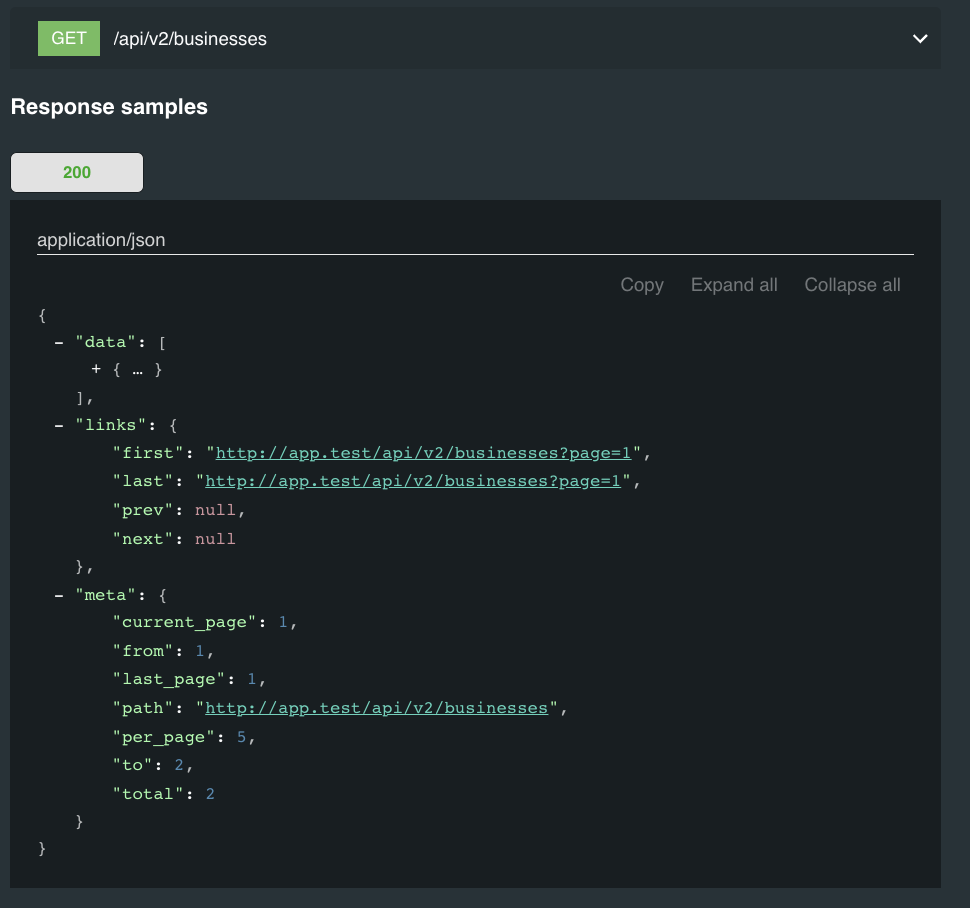
When you work with a listings API like Local Data Exchange’s, you skip the need to create accounts for each business on each platform. Here's how:
1. Pre-Authorized Publisher Integrations
Many APIs already have existing partnerships with publishers and are authorized to submit or manage listings without the end user needing an account. This acts as a proxy layer, handling the handshake between SaaS platform and publisher.
2. Centralized Authentication
Instead of 15+ logins, one API key gives you access to a broad network of publishers via a unified format and endpoint.
3. Location-by-Location Ownership Mapping
For publishers that do require verification or account mapping (e.g., Google), API systems often support token-based authorization or OAuth workflows, allowing SaaS platforms to manage listings programmatically after a one-time approval.
4. Built-In Formatting Logic
APIs handle publisher-specific formats behind the scenes, preventing rejections due to missing fields, phone number formats, or business category mismatches.
5. Scalability and Maintenance
Updates, deletions, or verification re-attempts across thousands of locations can be scheduled and automated, no human logins required.
Real-World Example
Let’s say you want to publish listings for a chain of 300 dental clinics. With an account-based method, you'd need to create/claim 300 Google Business Profiles, 300 Facebook pages, and potentially log in to each to verify. With an API integration like LDE’s:
- Listings can be submitted to dozens of platforms from one dashboard.
- OAuth is used only when required (like Google), with prompts sent directly to the business owner.
- All other publishers are handled through established data pipes…no manual login, ever.
What About Publisher Policies?
Some publishers will always require proof of ownership for certain actions, especially high-value or high-visibility platforms like Google and Apple. APIs won’t magically eliminate verification, but they do streamline how those verifications are triggered, managed, and mapped to the correct profiles.
And for the publishers that don’t require verification? The API can push listings live in hours and not days.
Stop Letting Logins Be the Bottleneck
For SaaS SEO providers powering multi-location brands, time is money. Each manual login, each rejected listing, and each dashboard toggle is lost value.
Choosing an API that abstracts these account-level hurdles gives you:
- Better speed to publish
- Cleaner data control
- Lower overhead
- Scalable SEO infrastructure
If you're still wrangling publisher logins, it’s time to move to a smarter system.
Tired of wrestling with logins and dashboards? Start publishing listings programmatically with our API.
✅ Streamlined publisher connections
✅ OAuth-ready when needed
✅ Scale across 100 to 100,000+ locations
Get sandbox access
Related Posts

How Reviews Shape Trust in Zero-Click Local Search Results
Local search no longer ends with a click. In fact, many of the most valuable local search interactions happen without one. Users increasingly make decisions directly from search results pages, Google Maps previews, and AI-generated summaries. These are known as zero-click local search results. In this environment, reviews have become one of the most powerful […]
Read More
How AI-Powered Search Is Redefining Local SEO Data Requirements
Local SEO used to tolerate imperfect data. Minor inconsistencies in business names, outdated hours, or conflicting categories could still produce acceptable rankings. That tolerance is disappearing fast. AI-powered search has fundamentally changed how local data is evaluated. Instead of relying on isolated signals, modern search systems synthesize data across many sources, compare it against real […]
Read More
Architecting for Sovereignty: Leveraging Local Data Exchange to Minimize Egress Costs and Latency in Hybrid Clouds
The rapid expansion of hybrid cloud environments has introduced a significant economic challenge: data gravity. While the public cloud offers unparalleled elasticity for compute, the financial burden of moving large datasets out of these environments often creates a “cloud jail” effect. For US enterprises, maintaining data sovereignty while controlling costs requires a tactical shift toward […]
Read More
Why Star Ratings Alone No Longer Tell the Full Story
For years, star ratings were treated as the primary indicator of reputation in local search. A higher rating meant more trust, better visibility, and stronger conversion performance. While star ratings still matter, they no longer tell the full story for search engines or customers. Local search has become more sophisticated, more competitive, and more context-driven. […]
Read More
How Brands Use Review Data to Improve Local Conversion Rates
Local SEO visibility is only half the battle. The real outcome brands care about is conversion. Calls, direction requests, bookings, and in-store visits are what turn rankings into revenue. Yet many brands focus on review volume and ratings without fully leveraging the data reviews provide to improve conversion performance. Review data is one of the […]
Read More